Caregivers have a hard task of taking care of loved ones who may be in unfavorable conditions.
Caregivers come from all walks of life and possess qualities that go beyond ordinary characteristics.
They have to because it takes a lot to care for loved ones who are ill, disabled, and/or elderly.

What Caregivers Learn
One caregiver states: “I have learned how to be patient and listen and be supportive” as these are not easy to do and do not develop overnight.
Another states: “Being able to listen and understand allows you to be an efficient.”
Many family caregivers report positive experiences from caregiving such as:
- a sense of giving back to someone who has cared for them
- satisfaction of knowing that their loved one is getting excellent care
- personal growth and increased meaning and purpose in one’s life
Some Common Caregiver Traits
Compassion – The ability to translate empathic feelings into action (desire to alleviate suffering).
Optimism – Expect a favorable or positive outcome.
Confidence – Sure of one’s self and one’s abilities.
- Compassion. Part of the process of being a caregiver is being in tune with a client’s emotional needs. …
- Communication Skills. …
- Patience. …
- Empathy. …
- Physical Strength & Stamina. …
- Time Management. …
- Problem Solving Skills. …
- Observant.
What CARE Stands For
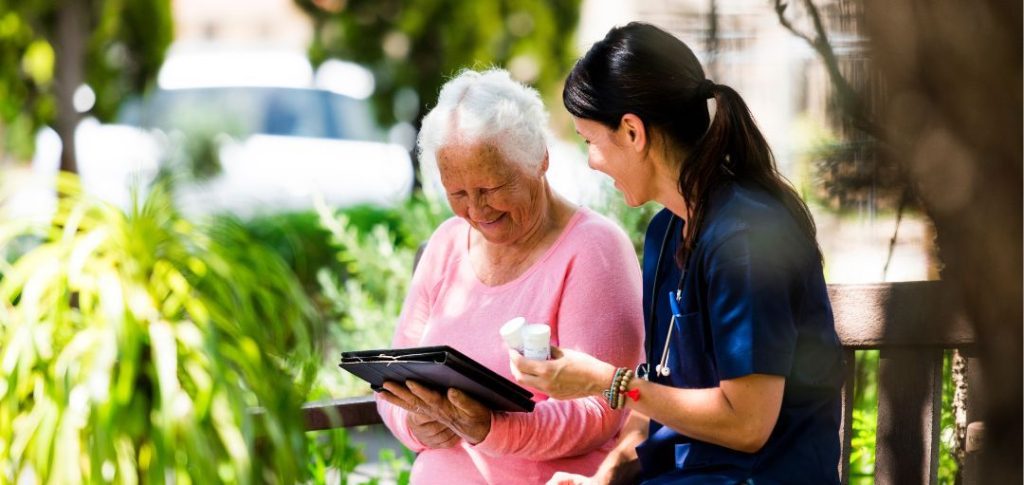
CARE can be an acronym for Compassion, Advocacy, Respect, and Excellence.
We CARE for the needs and values of others.
We CARE by effectively communicating both verbally and by our actions.
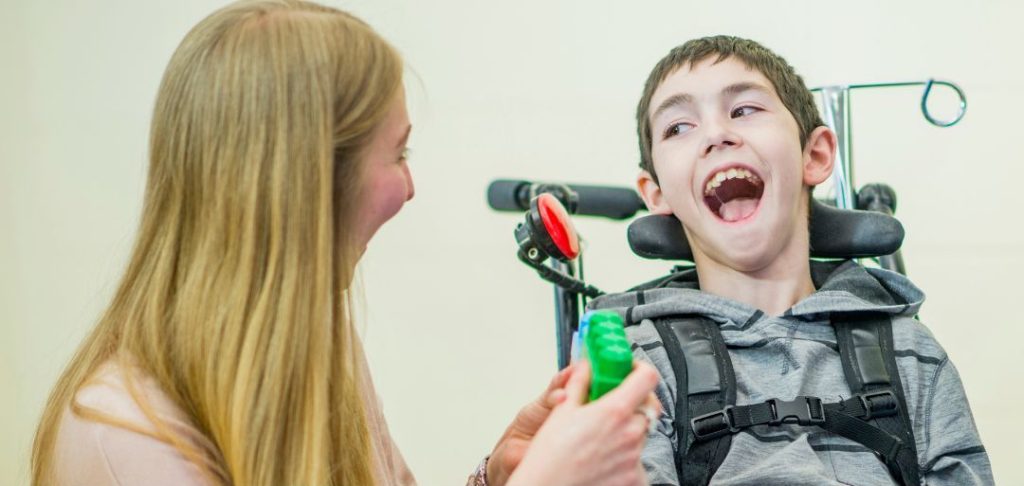
Caregivers who begin their career, often unexpectedly, develop qualities of a caring person such as being polite, considerate, generous, affectionate, patient, understanding, loving, and forgiving.
While that’s a tall order, a caring person will go out of their way to make others feel special and to make them happy or feel more confident in themselves.
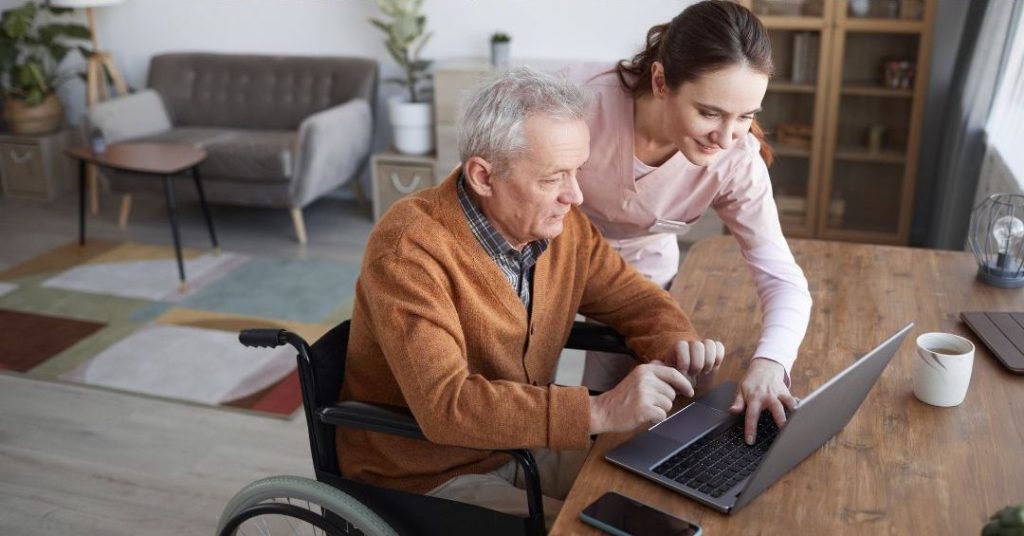
At Assisting Hands Yorba Linda, we believe that the values of compassion, dignity, and respect are essential when involving people in their own care.
Decisions should be shared decisions, with the individual seen as an equal team player in their care.
A New Caregiver’s Testimony
“I learned how to adapt, manage and remain under pressure and took on all the responsibility. Being a caregiver is a rewarding journey. I love being helpful. Caregiving makes me appreciate life more. I became a caregiver as I felt it is my duty to care and look after the elderly and their loved ones.
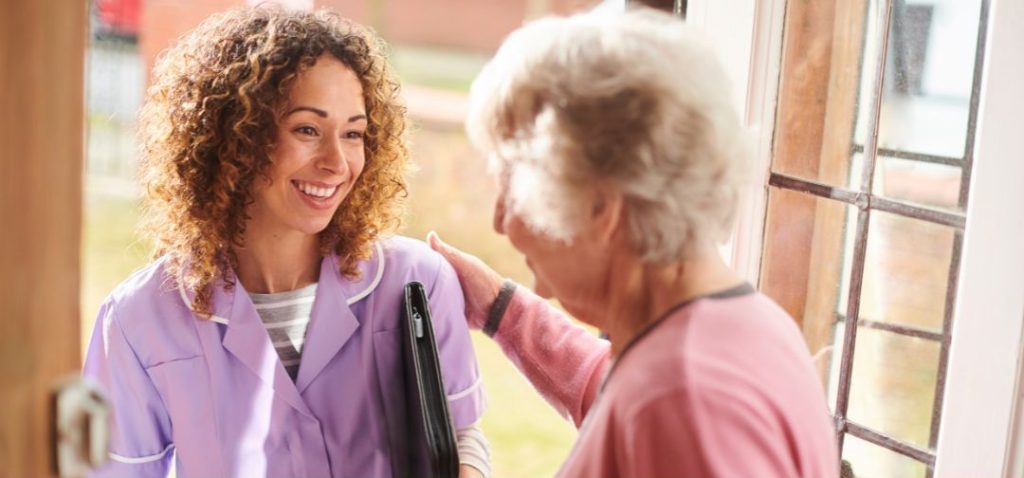
It makes me feel appreciated and grateful that I am looking after their loved ones. It taught me to be independent and strong, and how to look after them both throughout life without having to constantly call the professionals. I learned how to be patient, listen and be supportive, and be professional and responsible.”
Professional Caregivers
Good interpersonal and communication skills are essential for working in care.
Also being able to listen and understand allows you to be an efficient carer.
It is everyday duties to care for them and I am used to them as I have my routines and it’s made it much easier and simple.
It is hardworking to be an carer.
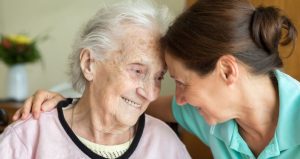
Over time, a caregiver becomes like a family member as they develop rapport with the patient.
This, in turn, will help not only the patient receive quality care, but also the family as they develop trust
Call us today to receive care that your loved ones need.


Leave a Reply